Be More Time Efficient: Priorities, Blocks, Less Distraction

How can I be more time efficient?
Being more time efficient starts with choosing what matters most, reducing friction, and protecting your attention. Instead of trying to “do more,” aim to complete the right work with fewer stops, fewer decisions, and fewer interruptions.
Pick a short daily priority list
Begin with three outcomes for the day: one must-do, one should-do, and one quick win. This keeps your schedule realistic and prevents the common trap of writing an endless to-do list that encourages multitasking and constant task switching.
Time block your calendar (even for small tasks)
Assign tasks to specific windows—email, errands, deep work, calls—so your day has a clear rhythm. When a task has a home on your calendar, it’s less likely to get repeatedly postponed or “half-started” throughout the day.
Use a 5-minute rule to beat procrastination
If something takes under five minutes, do it immediately (reply, file, confirm, schedule). If it’s bigger, spend five minutes setting it up: open the document, gather materials, write the first sentence, or define the next step. Momentum is often the difference between delay and completion.
Reduce repeat decisions with simple systems
Create defaults: a standard grocery list, a weekly meal rotation, a template for common emails, and a set time for planning. Fewer decisions means more energy for work that actually needs your brain.
Limit distractions with “single-task cues”
During focus blocks, silence notifications, keep only one tab group open, and put your phone out of reach. Pair this with a clear finish line (e.g., “draft finished” or “10 orders processed”) to avoid drifting.
For additional strategies and practical examples, visit the full guide here: How can I be more time efficient?.
For Be More Time Efficient: Priorities, Blocks, Less Distraction, the best answer depends on fit, material, care instructions, and how the product will be used day to day.
FAQ
How do I stop wasting time on my phone?
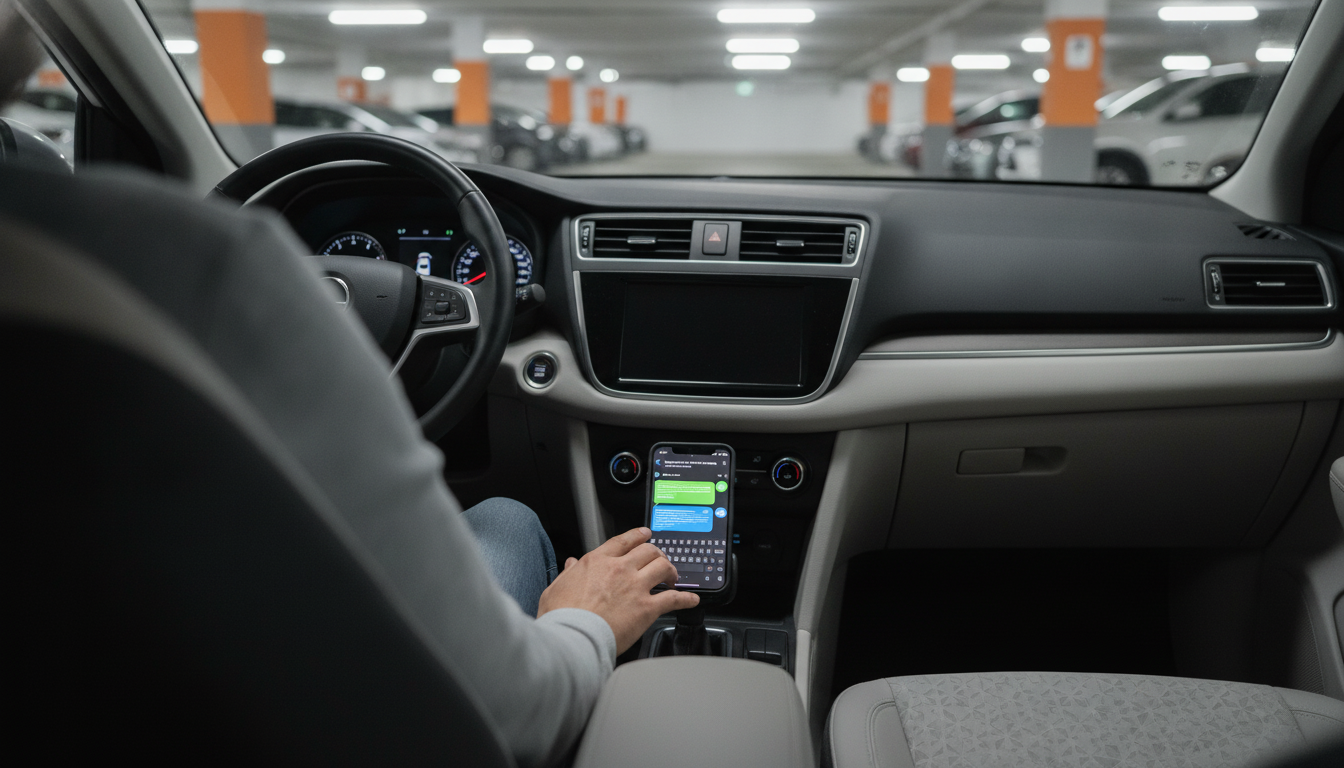
Set app timers, move distracting apps off your home screen, and keep your phone in another room during focus blocks. If you need it for work, use Do Not Disturb and check messages at scheduled times.








Leave a comment